Prestige Olive Oak Payment Plan

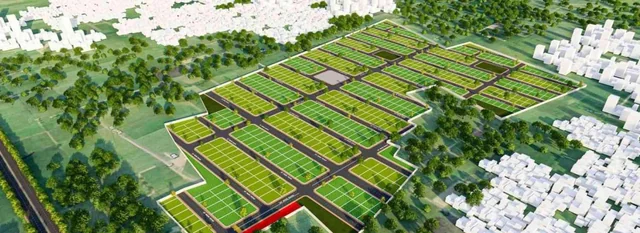
Featured Image of Prestige Olive Oak Payment Plan


Prestige Olive Oak’s indicative payment plan follows a 10:10:80 structure: 10% at booking, 10% at the sale agreement stage and the remaining 80% through agreed development-linked payments. This structure appears in project marketing material. The signed agreement must confirm the final stages, due dates and amounts for the chosen plot. The remaining 80% should not be treated as payable only at possession.

For a ₹1.20 crore plot, the first two payments would be ₹12 lakh each, leaving ₹96 lakh for later stages. For a ₹1.50 crore plot, they would be ₹15 lakh each, leaving ₹1.20 crore. These are worked examples of the payment split. The final plot price, extra charges and terms must come from the current cost sheet.

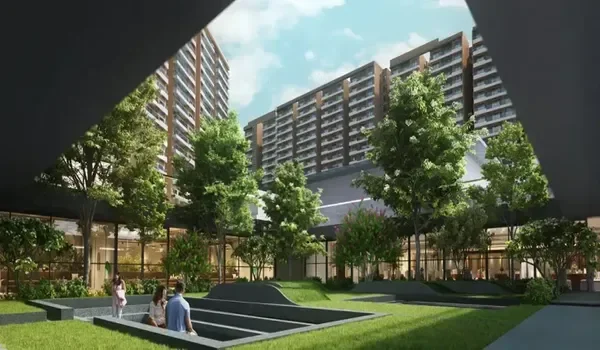
Prestige Olive Oak Payment Schedule


The payment schedule sets out when each part of the plot price is due. It should name the payment stage, amount and due date. Where a demand depends on site progress, the agreement should define that milestone clearly.

Payment Stage Indicative Share On a ₹1.20 Crore Plot On a ₹1.50 Crore Plot
Booking 10% ₹12 lakh ₹15 lakh
Sale Agreement Stage 10% ₹12 lakh ₹15 lakh
Remaining Agreed Stages 80% ₹96 lakh ₹1.20 crore
Total Plot Price 100% ₹1.20 crore ₹1.50 crore

The table shows the broad split, not a confirmed demand schedule. If the balance is divided into eight equal payments, each would be 10% of the plot price. The actual number of payments and their triggers need written confirmation.

Prestige Olive Oak Booking Amount


Under the indicative plan, the booking payment is 10% of the agreed plot price. This amount should be credited towards the purchase price. The receipt should carry the buyer’s name, project name, booking reference and plot number where allotted.

A booking payment is different from an Expression of Interest, or EOI. An EOI may record interest before formal allotment. Its terms should state whether the amount is refundable and whether it will be adjusted against the booking payment.

For example, if a ₹2 lakh EOI is fully adjusted against a ₹12 lakh booking amount, the balance is ₹10 lakh. This is an example only. It does not establish Olive Oak’s EOI amount or refund terms.

Payment at the Sale Agreement Stage


The second indicative payment is another 10%. On a ₹1.20 crore purchase, the total paid at this point would be ₹24 lakh, or 20%. The remaining plot-price balance would be ₹96 lakh.

The agreement should identify the exact plot, area, price and promised development works. It should also set out the payment dates, handover terms and charges for delay.

RERA prohibits a promoter from collecting more than 10% of the plot cost before entering into and registering the agreement for sale. A booking form does not replace that agreement.

Development-Linked Payments for Prestige Olive Oak


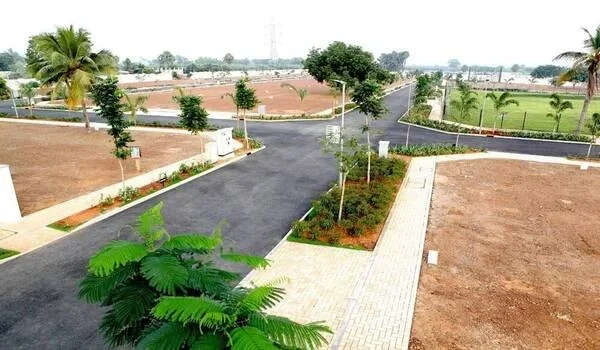
A plotted-layout schedule should relate to the work being delivered. Roads, drainage, water lines, power networks and other approved site works are relevant items. The agreement should define the stage that triggers each demand.

Some online Olive Oak schedules include apartment terms such as unit flooring and superstructure completion. Those terms do not describe a vacant residential plot. They should not be used as confirmed payment milestones for this purchase.

The amount due should follow the signed plot agreement. Each demand letter should show the stage, amount already paid, current demand and balance left. This makes it easier to track the full cost.

Plot Loan Funding and the Buyer’s Own Contribution


The developer’s payment plan and a bank’s loan terms are separate. A 10:10:80 schedule does not mean the bank will fund the final 80%. Loan approval depends on the property papers, lender’s valuation and buyer’s profile.

Consider a ₹1.20 crore plot with an assumed loan covering 75% of its value. The loan would be ₹90 lakh, leaving ₹30 lakh from the buyer’s funds. After the first ₹24 lakh has been paid, another ₹6 lakh would still be needed towards the plot price.

For a ₹1.50 crore plot, the same assumed funding share gives a ₹1.125 crore loan and ₹37.50 lakh from the buyer. These are funding examples, not a loan offer. Purchase charges would need a separate budget.
Costs Outside the Prestige Olive Oak Plot Price


The plot-price instalments may not cover every purchase cost. The cost sheet should separate statutory charges, deposits and any additional developer charges. This avoids a large surprise near registration or handover.
Budget items can include stamp duty, registration, legal review, loan fees and any agreed maintenance or service deposits. Their amounts and due dates should be stated in writing.

The future house is a separate expense. A plot payment plan does not include home construction unless the contract expressly says so. Keep the land budget and house-building budget distinct.

Final Payment, Registration and Handover


The agreement should explain how the final payment connects with sale deed registration and possession. Do not assume that each event happens on the same day. The last demand should show all credits and outstanding charges.

Before settlement, compare the final ledger with your receipts. For a ₹1.20 crore plot, payments of ₹1.08 crore leave ₹12 lakh towards the plot price. Extra charges, if agreed, should appear separately.

At handover, retain the registered sale deed, possession papers and plot plan. Confirm the boundaries, road access and service points against the documents.

Cancellation and Late-Payment Terms


Refunds depend on the reason for cancellation and the terms that apply. An EOI refund, a buyer’s voluntary cancellation and a claim caused by promoter default are different matters. One refund promise should not be assumed to cover all three.

Read the deduction, interest and notice clauses before booking. The agreement should state what happens if either party misses its duties. Keep written requests and replies, especially when asking for an extension or cancellation.

FAQs


1. What is the Prestige Olive Oak payment plan?

Project material describes an indicative 10:10:80 split. The signed agreement must confirm the exact schedule for the chosen plot.

2. How much is 10% on a ₹1.20 crore plot?

It is ₹12 lakh. Two payments of 10% each total ₹24 lakh.

3. Is the remaining 80% due only at possession?

That has not been established. The published structure describes staged payments. Use the agreement's due dates and milestones.

4. Is an EOI added on top of the plot price?

Its treatment depends on the EOI terms. If it is adjusted against booking, it should be credited in the payment ledger.

5. Will a bank fund all the remaining payments?

Not necessarily. The approved loan may cover less than the unpaid balance. Buyers must plan their own contribution.

6. Does the payment plan include building a house?

A plot purchase covers land and the works promised in the agreement. House construction is a separate cost unless included in a specific contract.

Prestige Olive Oak Blog


Enquiry
Enquire Now