Home Loan Guide for Plots in Bangalore
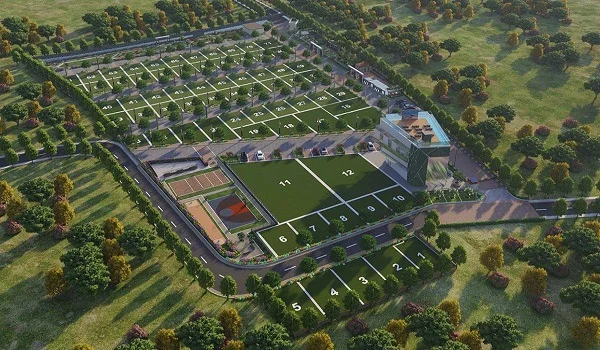
Featured Image of Home Loan Guide for Plots in Bangalore


Home loan guide for plots in Bangalore explains how plot loans fund about 70 to 75% of a plot's value in an approved layout. You budget for roughly a quarter of the price yourself, plus stamp duty and registration. The loan term runs shorter than a home loan, usually up to 15 years.

The plot must carry clear title, DC conversion, and a valid Khata.Buying a plot works differently from buying a flat. Banks fund a smaller share of the cost, and lean heavily on approvals and title papers.

Tax benefits only kick in once you build. Get these three points right, and a plot loan becomes a simple way to buy land on the North Bangalore airport corridor.
What Is a Plot Loan?


A plot loan is a secured loan for buying a plot, with the plot itself as security. It funds a residential plot inside an approved layout. Lenders see this as riskier than a home loan, since land earns no rent and can sit unused for years. This means banks fund a smaller share, and set shorter loan terms. Plan on paying 25 to 30% of the price yourself, excluding stamp duty and registration.

Banks lend only against plots inside sanctioned layouts, such as those approved under BMRDA or BIAAPA with DC conversion. They will not fund bare farm land. Cleaner approvals lead to a higher loan share, and a smoother approval process.

Composite Loan - Plot Plus Construction


A composite loan covers two things at once: the plot and the building cost, paid out in stages as work moves forward. It usually asks you to start building within two to three years, then finish within a set period. Once the house stands complete, the construction part behaves like a regular home loan for tax purposes.

This loan suits buyers planning to build right away. If you plan to hold the land first, a pure plot loan fits better. Taking a composite loan without building can trigger a rate reset, or a recall of the construction portion.

Eligibility and Documents Needed


Plot loan eligibility rests on standard income and credit checks, the same ones banks use for home loans. Lenders also look closely at the plot's title and approvals. A steady income, a good credit score, and a clean repayment history all help your loan share and rate.

Banks typically ask for the following documents. This includes KYC and income proof, such as salary slips and bank statements. It also includes the full title chain, covering the sale deed, mother deed, and prior title papers. Approval papers matter too, including the sanctioned layout plan and DC conversion order. Banks also want Khata papers and the latest tax receipt. Finally, they ask for an encumbrance certificate, showing the plot has no prior mortgage or dues.

For projects registered under Karnataka RERA, developers supply most papers upfront. This cuts down the bank's checklist a lot. A RERA-registered plot moves through approval faster, when backed by a clear plot schedule.

Interest Rates, Tenure, and Overall Cost


Plot loan interest usually sits a bit higher than home loan rates, since land carries more risk. Most loans in India carry floating rates, tied to the RBI repo rate. This means your EMI shifts with rate changes over time.

Plot loan tenures cap near 15 years. This makes your EMI per lakh borrowed run higher than on a 30-year home loan. Beyond interest, factor in the processing fee, legal charges, and valuation costs. Stamp duty and registration sit outside the loan itself. Always compare at least two lenders on total cost, not just the headline rate.

Steps to Get Your Plot Loan Sanctioned


Fix your plot and budget first. Confirm your 25 to 30% self-contribution, plus registration costs. Check all approvals next, including RERA registration, DC conversion, and layout sanction. Compare terms across two or three lenders, looking closely at loan share, rate, and tenure. Submit your documents next, covering KYC, income proof, and the full approval set. Complete registration at the sub-registrar office once sanctioned, and the lender releases funds against your deed.

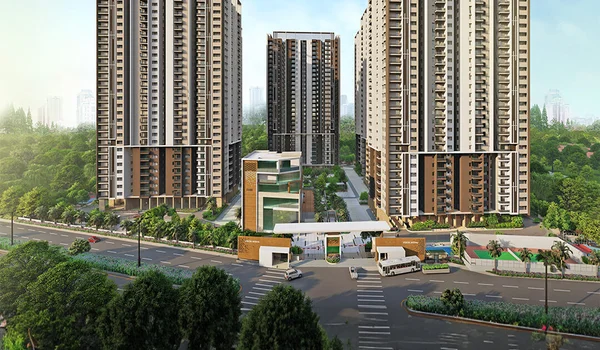
Prestige Group Prelaunch Project is Prestige Olive Oak.

FAQs


1. What is a plot loan, and how does it differ from a home loan?

A plot loan finances plot purchases in approved layouts, while home loans fund built or under-construction homes. Plot loans typically fund less, run shorter terms, and skip tax breaks until you build.

2. How much loan can I get for a plot in Bangalore?

Most lenders fund 70 to 75% of the plot's value. Plan for 25 to 30% as your own contribution, plus stamp duty and registration costs.

3. What exactly is a composite loan?

A composite loan funds both the plot and construction costs, paid out in stages. It requires construction to start within a set window, usually two to three years.

4. Does a RERA-registered plot make financing easier?

Yes, a Karnataka RERA registered plot moves faster through approval, when it carries clear title and DC conversion. Unapproved or B-Khata plots are harder to finance.

5. Can I claim tax benefits on a plot loan?

A pure plot loan offers no direct tax benefits. Building a house through a composite loan lets you claim standard deductions once construction finishes.

Prestige Olive Oak Blog


Enquiry
Enquire Now